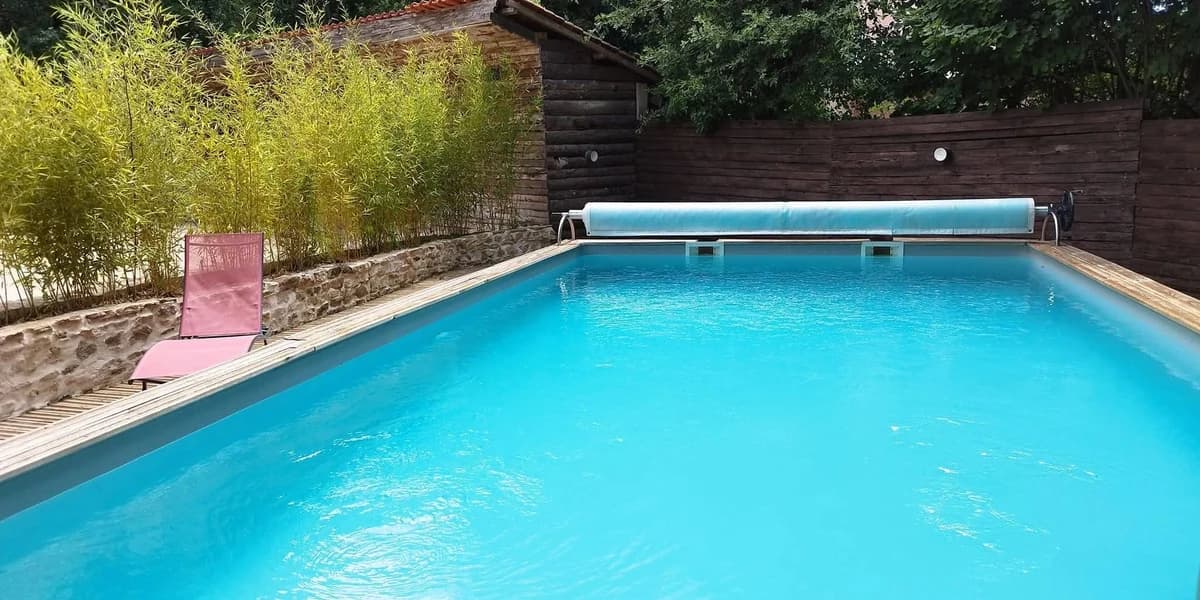
L'Écrin
Gite5(1 review)
From €85/night1 - 4 guests
Pont de barret – 26160Bivo Bonus available

AUVERGNE-RHÔNE-ALPES
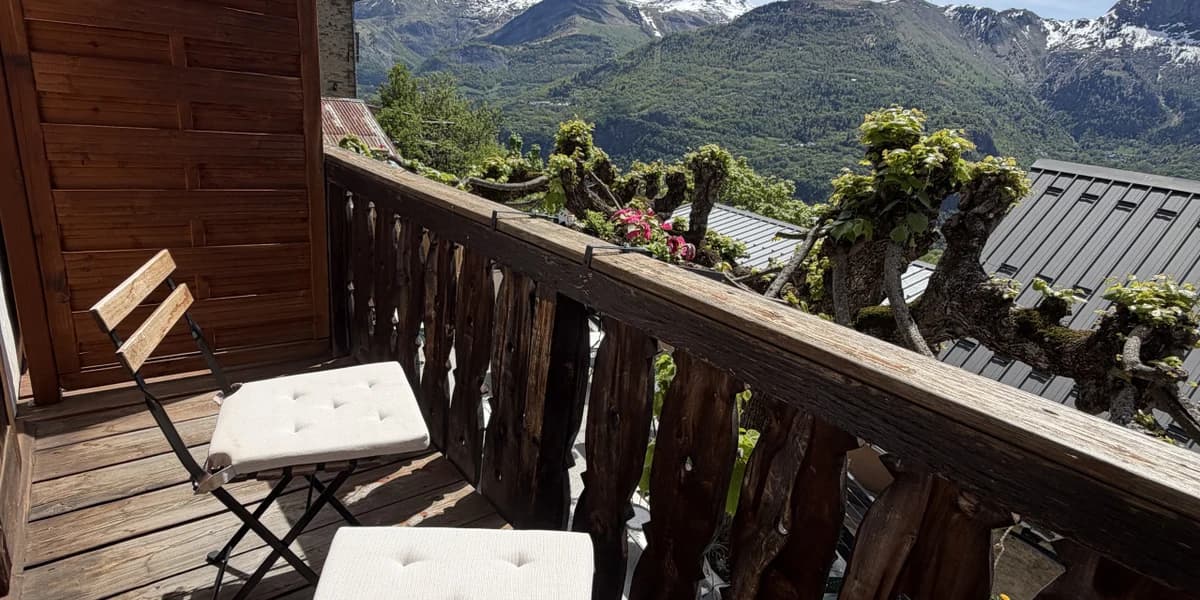
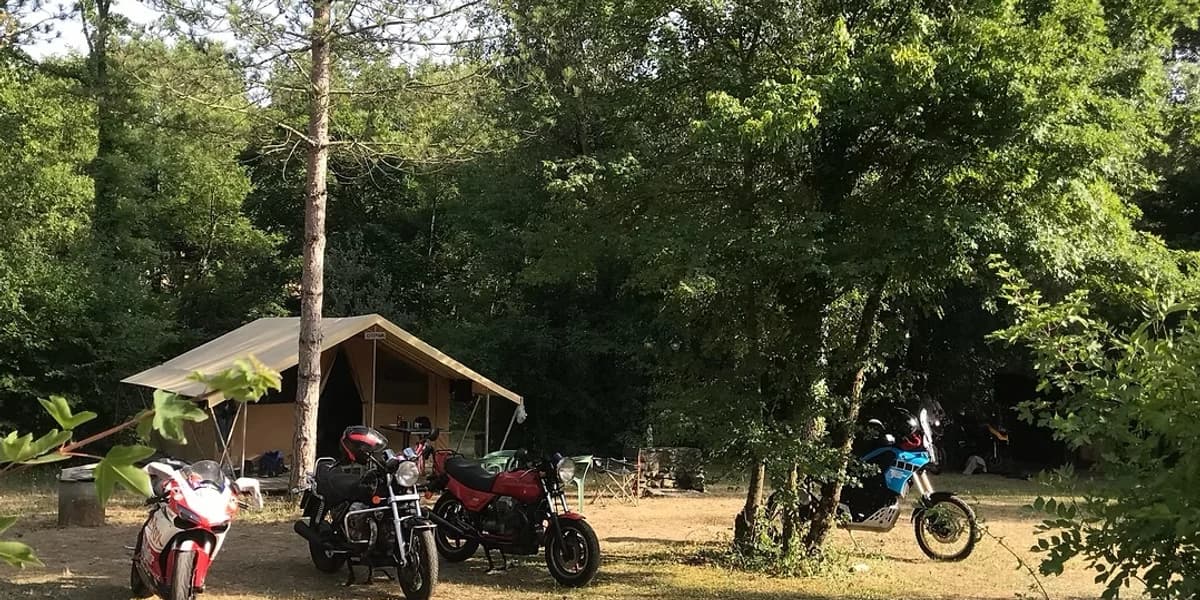
The Bivo Moto community is building the motorcycle accommodation map
Do you know a hotel, guesthouse or campsite suited for motorcycle travelers in this area? Share it and help other riders plan their next road trips.
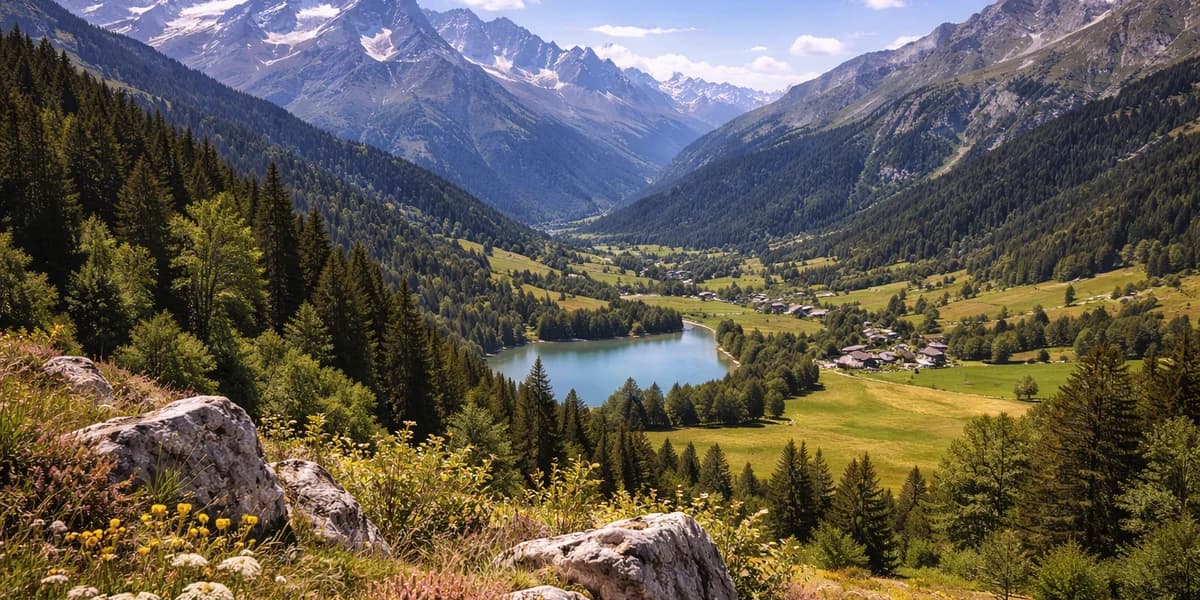
Recommend an establishmentBetween the Auvergne volcanoes, the Alps and the Rhône valley, Auvergne-Rhône-Alpes is one of France's richest regions for a motorcycle road trip. Its vast and contrasting territory brings together radically different landscapes: high-mountain roads through the Savoy Alps, volcanic plateaus of the Massif Central, gorges of the Ardèche and Loire, alpine valleys and legendary passes that are part of Europe's motorcycling heritage. Riders particularly love this region for the sheer variety and quality of its roads. Within a few hours in the saddle, you can go from the snow-capped ridges of Mont-Blanc to the basalt plateaus of the Cantal, follow the Rhône valley before dropping into the Ardèche gorges, or string together alpine passes from Grenoble all the way to the Italian border. With twelve departments each boasting its own distinct character, Auvergne-Rhône-Alpes is perfectly suited to an epic multi-day tour. To plan your stops along the way, Bivo makes it easy to find motorcycle-friendly accommodation with secure bike parking, so you can fully enjoy everything this region's roads and landscapes have to offer.
Wedged between the Rhône, the Saône and the Jura, the Ain is often passed through without being truly explored. That's a mistake. The roads of the Pays de Gex, the loops around Lac de Nantua, the reculée des Neyrolles and the roads of the Dombes hold some real gems. An ideal transitional department between Lyon and Switzerland, far more varied than it looks.
The Bourbonnais is a quiet bocage department, with wide, flowing country roads that wind through forests and ponds. Less dramatic than its Auvergne neighbours, it makes up for it with relaxed riding and genuinely authentic villages. Perfect for a transition day between northern France and the volcanoes of the Puy-de-Dôme.
One of the most spectacular departments in the region for riders. The Ardèche gorges, the Route des Boutières, the Vivarais plateaus and the ridges between the Ardèche and Haute-Loire make for a technical and varied playground. The roads are narrow, the scenery is wild, and traffic stays manageable outside of July and August. Not to be missed.
The largest volcanic department in Europe. The roads of the Cantal wind around the Plomb du Cantal and the Puy Mary, through a landscape of pastures, basalt and enormous skies. The Col de Prat de Bouc, the ridge roads and the valleys of the Truyère and the Jordanne offer a rare combination of solitude and austere beauty. Pair it with Haute-Loire and Puy-de-Dôme for the ultimate Auvergne grand tour.
Between the Vercors, the Diois and the Baronnies provençales, the Drôme is a transitional department bridging the Alps and the Mediterranean. The roads over the Col de Rousset, the Pas de la Cluse and the Gorges des Gats are technical and lightly trafficked. The Drôme valley and the Pays de Die offer kilometres of twisting roads through lavender fields and forests. An unjustly overlooked department.
The gateway to the Alps. Grenoble is the natural hub, and the roads radiating out from it are among the most spectacular in France: Vercors, Chartreuse, Belledonne, Oisans. Alpe d'Huez, the Col du Galibier and the Col de la Croix de Fer are all within an hour of Grenoble. A department built for pass hunters and lovers of big elevation changes.
The Loire department is more mountainous than most people realise. The Loire gorges, the Pilat massif, the Monts du Forez and the roads of nearby Haute-Loire offer a varied and uncrowded riding area. Saint-Étienne is a handy launching pad to head south into the Ardèche or north towards the Puy-de-Dôme.
A department of plateaus and volcanoes, sandwiched between Auvergne and the Rhône valley. The Loire rises here, at the foot of Mont Gerbier-de-Jonc, and its upper gorges are truly impressive. The Velay plateau, Le Puy-en-Velay and its surroundings, and the roads leading into the Ardèche and the Cantal make for an itinerary rich in ever-changing scenery.
The volcanic heart of Auvergne. The Chaîne des Puys, a UNESCO World Heritage site, stretches over 45 kilometres of volcanic cones accessible via exceptional ridge roads. The Col de la Croix Morand, the Route des Lacs and the Gorges de la Sioule round out a department that, alongside the Cantal, is one of the absolute must-rides of the Massif Central.
Lyon is an ideal logistical base for heading out in any direction. The department itself is largely urban and suburban, but the Monts du Lyonnais and the roads towards the Beaujolais to the north and the Ardèche to the south offer great escapes. Best used as a starting or finishing point for a grand tour rather than a destination in its own right.
This is where the great alpine passes live. The Col du Galibier, the Col de l'Iseran, the Col du Mont Cenis and the Route des Grandes Alpes all cross this exceptional department. Chambéry and Albertville make practical bases. The roads of the Tarentaise, the Maurienne and the Vanoise offer an alternation of high-altitude cols and deep valleys that rank among the finest in Europe.
The department of Mont-Blanc and the alpine lakes. The Route des Aravis, the Col de la Colombière, the Col des Saisies and the roads around Lac d'Annecy are absolute classics. Annecy is one of the finest stop-over towns in France for a motorcycle road trip. The Swiss and Italian borders are within easy reach, and the cross-border routes towards the Grand-Saint-Bernard or the Col du Petit-Saint-Bernard are well worth the ride.